
2026-09-07 · Rick Thompson
What Woodland Homeowners Should Know Before Burning Season Starts
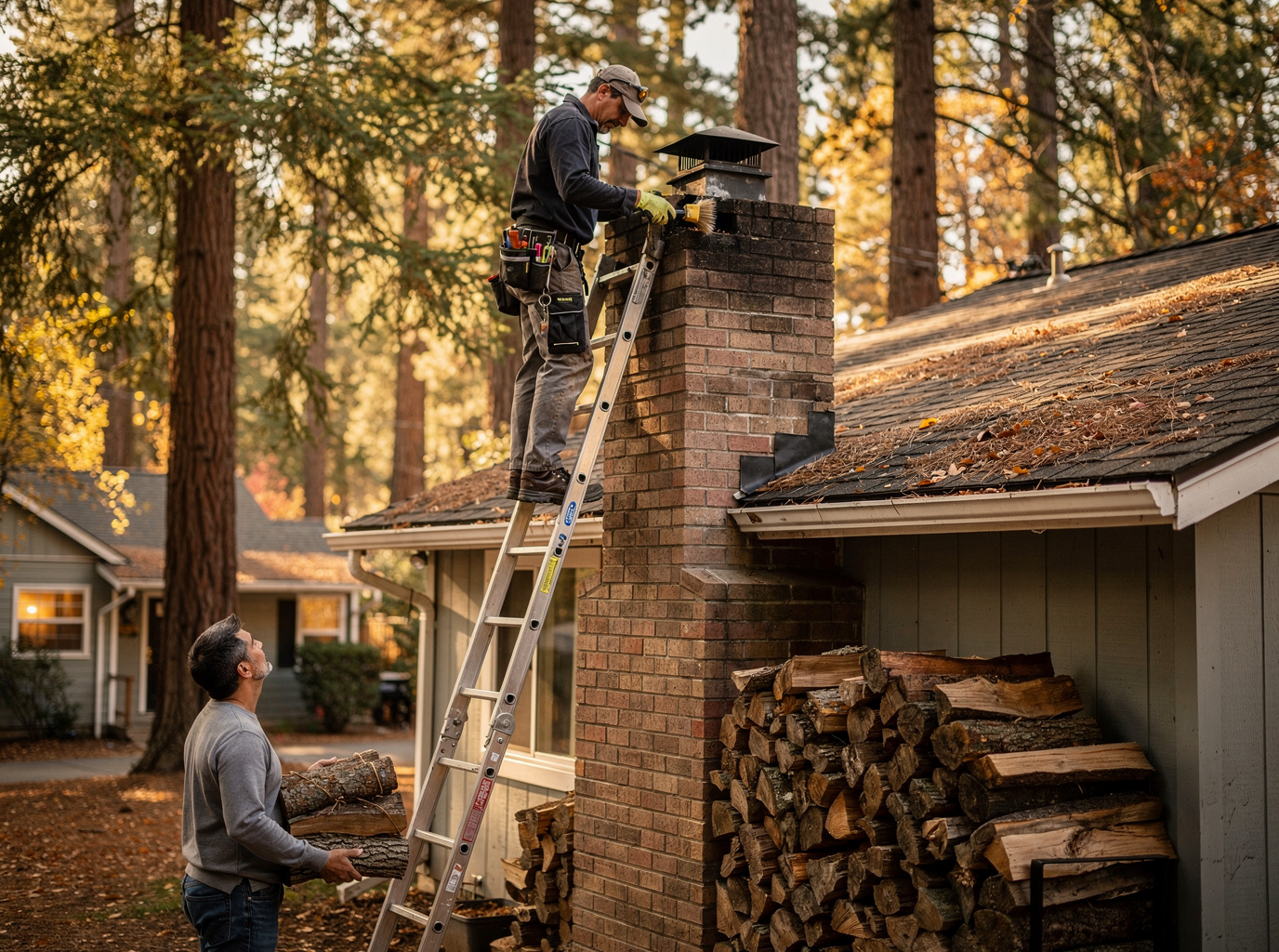
Before burning season starts, Woodland homeowners should schedule a full chimney inspection to check for creosote buildup and moisture damage from the area's dry summers and mild wet winters. This step prevents chimney fires and ensures safe operation through the colder months in Cowlitz County.
Checking for Creosote After Dry Summers
Woodland experiences dry summers that allow creosote to form thick, hard layers inside flues when wood burns at lower temperatures. Homeowners near Downtown Woodland and along the Lewis River often see this issue in homes built before 1980, where single-wall flues and older masonry are common. A 1/8-inch layer already requires cleaning, while 1/4-inch or more creates a serious fire hazard. The dry conditions from June through September leave resins baked onto flue walls, and the first few fires of the season can ignite them quickly. Checking now avoids emergency calls once temperatures drop. Many residents in nearby Kelso and Longview report similar problems each October when they light their first fires without prior inspection. How to Spot Creosote Buildup After a Dry Summer in Woodland explains the visual signs to watch for during a self-check before calling a professional.
Handling Moisture from Mild Wet Winters
Cowlitz County winters bring frequent light rain and high humidity rather than heavy snow, which allows water to seep into chimney crowns and flue liners over time. Homes near Hulda Klager Lilac Gardens and the Lewis River floodplain often have higher moisture exposure because of the river valley terrain. This constant dampness can cause mortar to crumble and metal liners to corrode faster than in drier regions. Before burning season, inspect the crown and flashing for cracks, and confirm the damper seals tightly to keep rain out. Wet creosote is harder to remove and can drip into the firebox, creating odors and staining. Local operators see these patterns every year when homeowners in older Downtown Woodland properties delay maintenance until the first storm hits.
Preparing Older Housing Stock in the Area
Many homes in Woodland date from the 1940s through 1970s, featuring masonry chimneys without modern liners and fireplaces sized for larger wood loads. These structures sit on soil that retains moisture near the Lewis River, leading to foundation settling that tilts chimneys slightly and creates draft problems. Before burning season, verify the flue size matches the appliance and that no animal debris has accumulated during the dry summer months. Residents in Kelso and Longview with similar age homes often discover offset flues or missing rain caps during pre-season checks. Addressing these issues now prevents smoke spillage once fires start and the first wet weather arrives.
Scheduling Service Before Temperatures Drop
Woodland's burning season typically begins in late October when evening temperatures fall into the 40s. Scheduling a chimney cleaning and inspection in September or early October avoids the rush that hits once wet weather starts. The 24/7 availability at 1555 Down River Dr allows flexible timing around work schedules. Focus on removing any summer creosote and confirming proper draft before the first cold snap. Homeowners who wait until November often face longer wait times as demand rises across Cowlitz County. Chimney inspection near me provides the thorough evaluation needed for older flues common in the area.
Protecting Against Rain Near the Columbia River
Heavy fall rains near the Columbia River can overwhelm poorly sealed chimneys, pushing water into the firebox and down walls. Before burning season, confirm the chimney cap is secure and the crown has no gaps that allow runoff inside. Properties in the river valley around Woodland see more consistent moisture than upland areas, making annual checks essential. Linking this step with creosote removal keeps both issues from compounding once fires begin. Protecting Your Chimney from Heavy Rain Near the Columbia River outlines additional sealing steps that apply directly to local conditions.