
2026-09-07 · Rick Thompson
How to Spot Creosote Buildup After a Dry Summer in Woodland
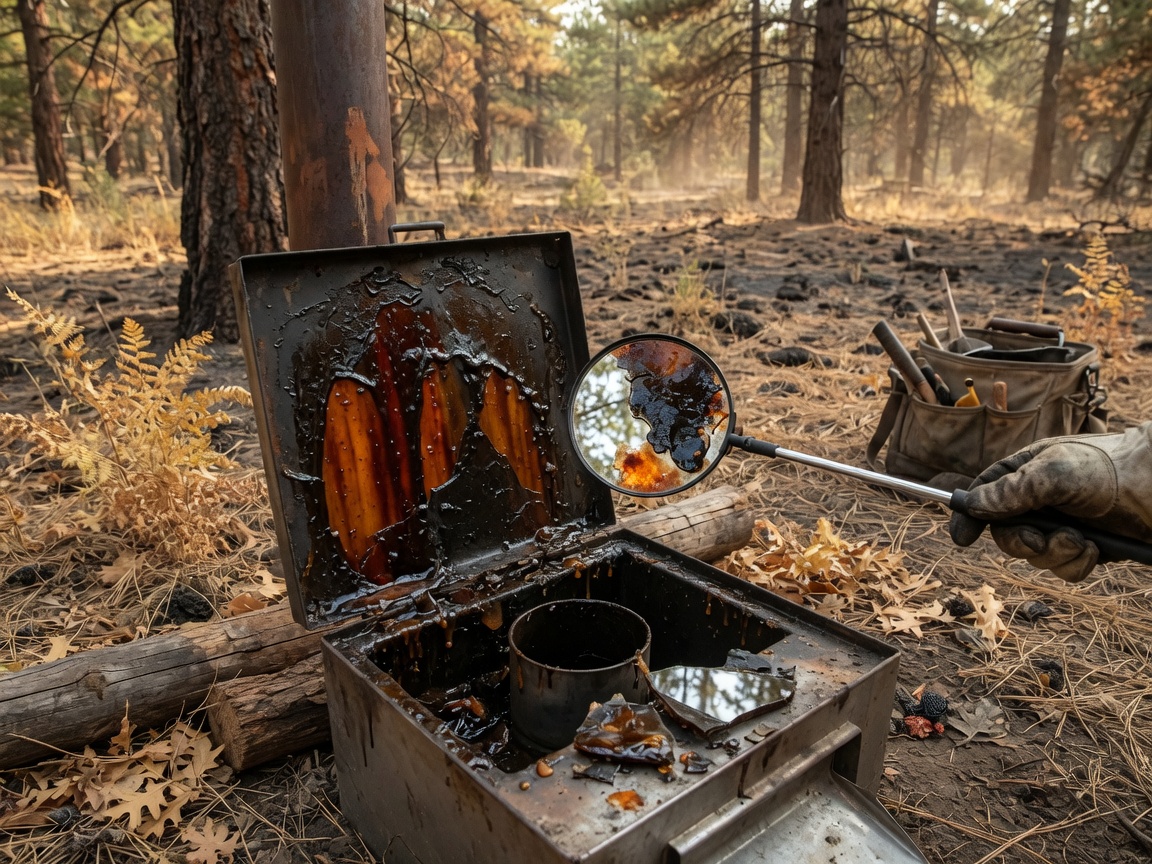
After a dry summer in Woodland, creosote buildup shows up as glossy black or brown flakes and tar-like streaks along the flue walls, often within the first 8–12 inches of the smoke chamber on homes built before 1980. These deposits form faster when low moisture keeps soot from washing away naturally, and the pattern repeats in Cowlitz County houses near the Lewis River where wood stoves run steadily through fall. Checking early prevents flue restrictions that block draft once mild wet winters return.
Visual Indicators in Local Chimneys
Homeowners in Downtown Woodland often notice creosote first by shining a bright flashlight up the flue from the fireplace opening. Look for shiny, hardened crusts that feel sticky when touched with a gloved hand, especially on the north-facing side of the chimney where cooler air slows drying. In older brick homes common along the Lewis River corridor, creosote can also appear as fine black powder that clings to the damper plate or smoke shelf after a season of dry burning. These signs differ from simple soot because creosote resists brushing and leaves a residue that smells acrid when disturbed. Checking twice—once from below and once from the roof—reveals buildup that single-angle views miss, particularly on two-story structures common in the area.
Impact of Dry Summers on Woodland Homes
Woodland’s dry summers reduce natural moisture that normally loosens creosote during occasional rains, allowing layers to harden into a shell that requires more aggressive cleaning later. Homes near Hulda Klager Lilac Gardens and along the Lewis River see this effect because prevailing winds carry fine ash particles that mix with resins and bake onto flue surfaces. The result shows up as uneven buildup concentrated on the back wall of the flue, where heat rises most consistently. Older single-story ranches and two-story Victorians throughout Cowlitz County accumulate these deposits faster when residents burn seasoned Douglas fir without enough airflow. Tracking the change from one season to the next helps owners time maintenance before the first wet winter storms arrive and draft issues begin.
Safe Inspection Steps for Residents
Start by removing the damper handle and using a mirror angled upward to view the first 4 feet of flue without climbing. Wear a dust mask and headlamp, then note any areas where the brick or tile lining appears darker or coated rather than its original color. Avoid standing directly under loose debris on roofs common in Kelso and Longview homes that share similar terrain. If you reach the cleanout door at the base, scrape a small sample with a screwdriver to test texture—creosote feels gummy while plain soot remains dry and powdery. Record findings with photos for comparison next year, focusing on the transition zone 2–3 feet above the firebox where most local buildup occurs.
When Professional Service Becomes Necessary
Thick creosote that covers more than one-quarter of the flue surface or blocks the smoke chamber opening requires a chimney inspection before burning resumes. Local operators familiar with Woodland’s housing stock can measure deposit depth and determine whether the flue needs full chimney sweep near me service or targeted flue cleaning. Delaying action risks chimney fires once mild wet winters increase indoor heating demand. Readers planning ahead can also review What Woodland Homeowners Should Know Before Burning Season Starts for seasonal timing details that match Cowlitz County weather patterns.